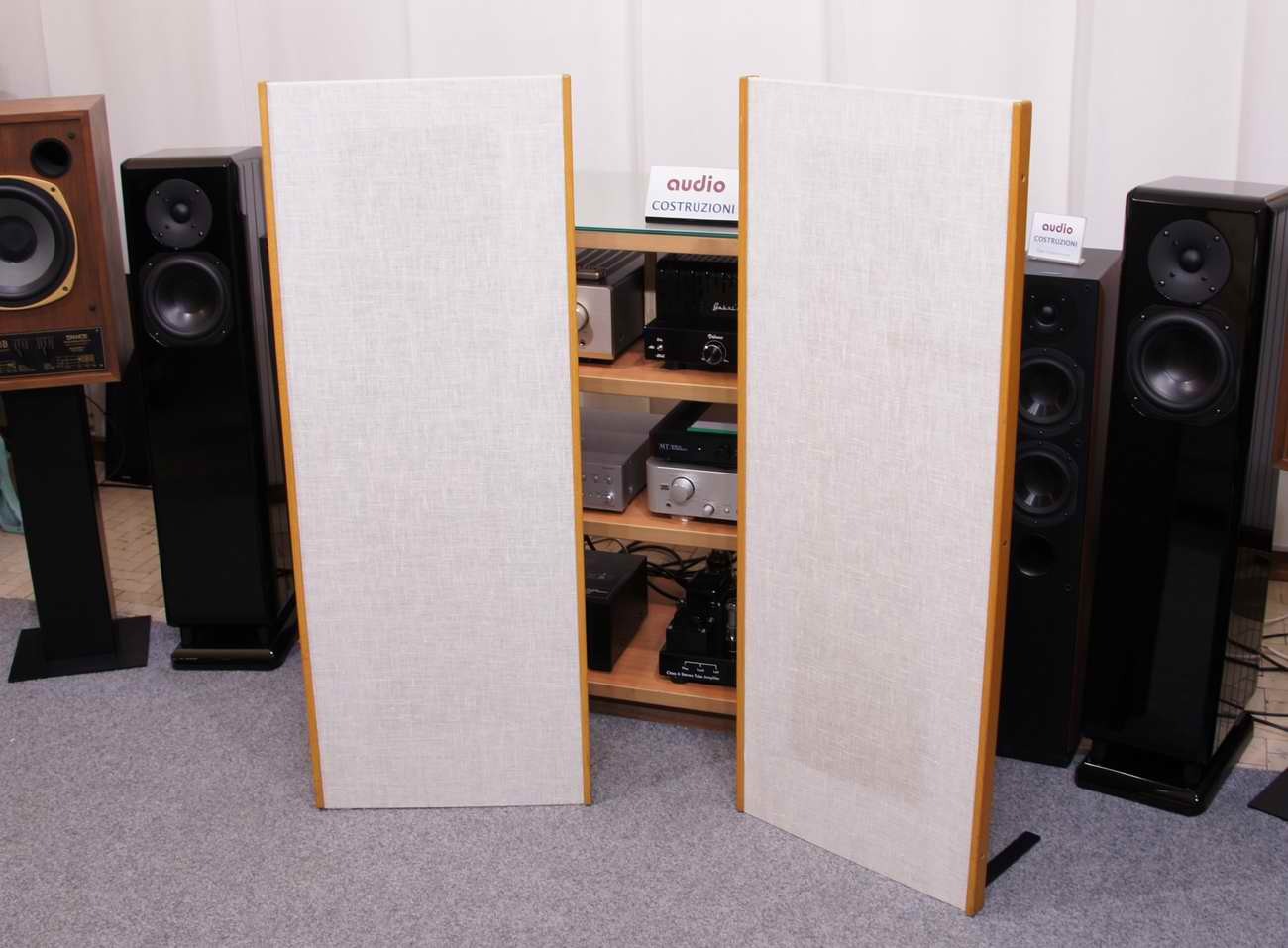
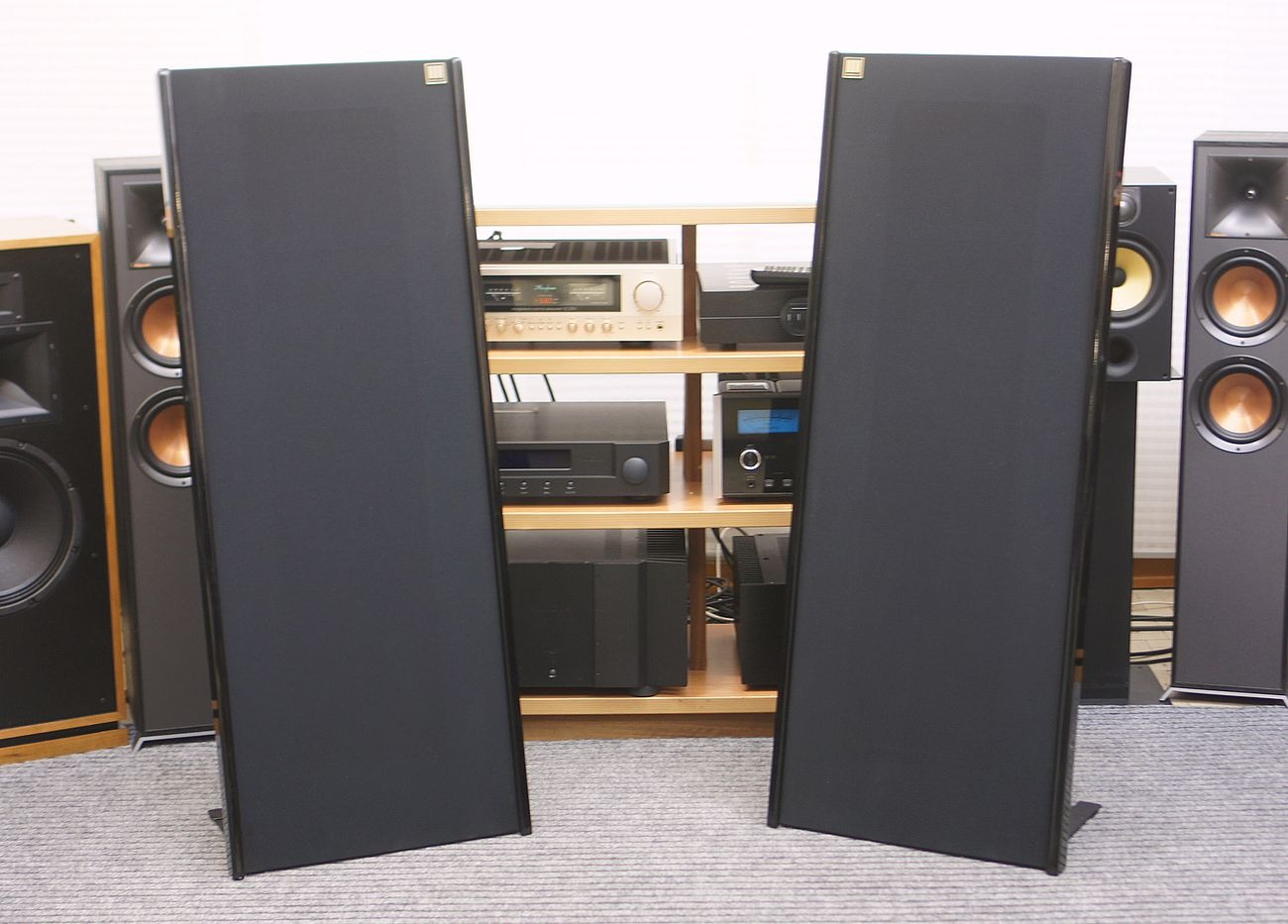
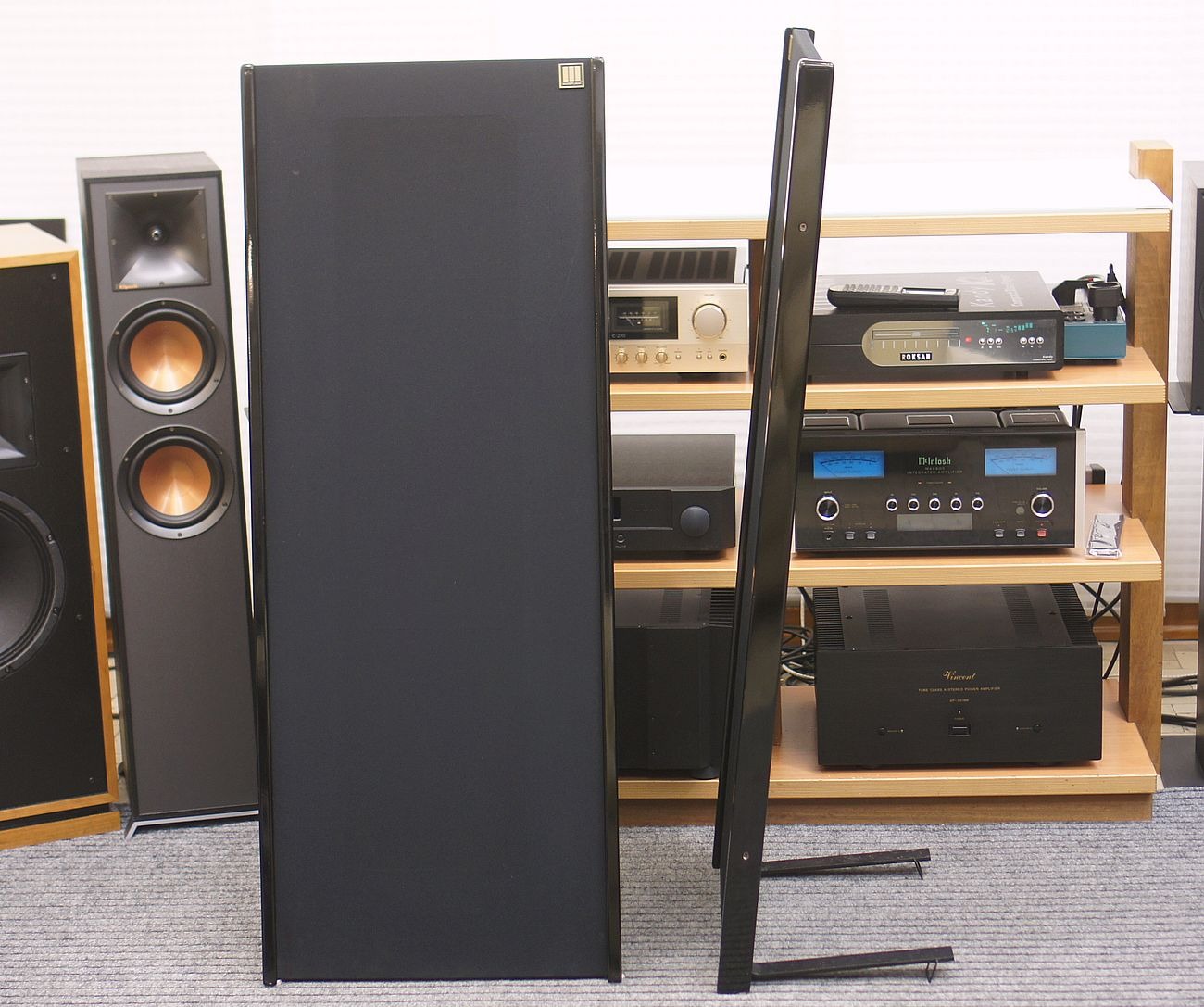
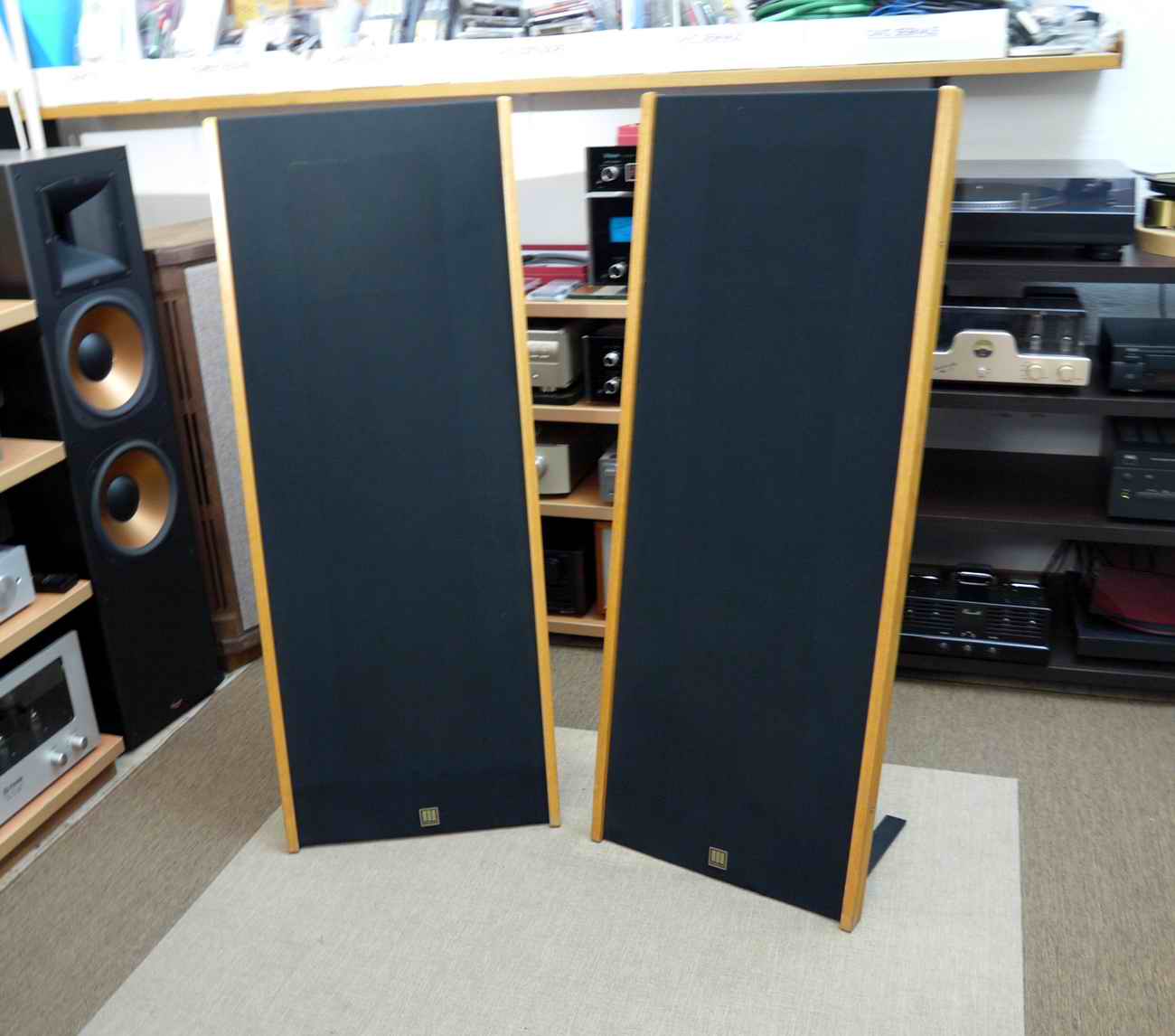
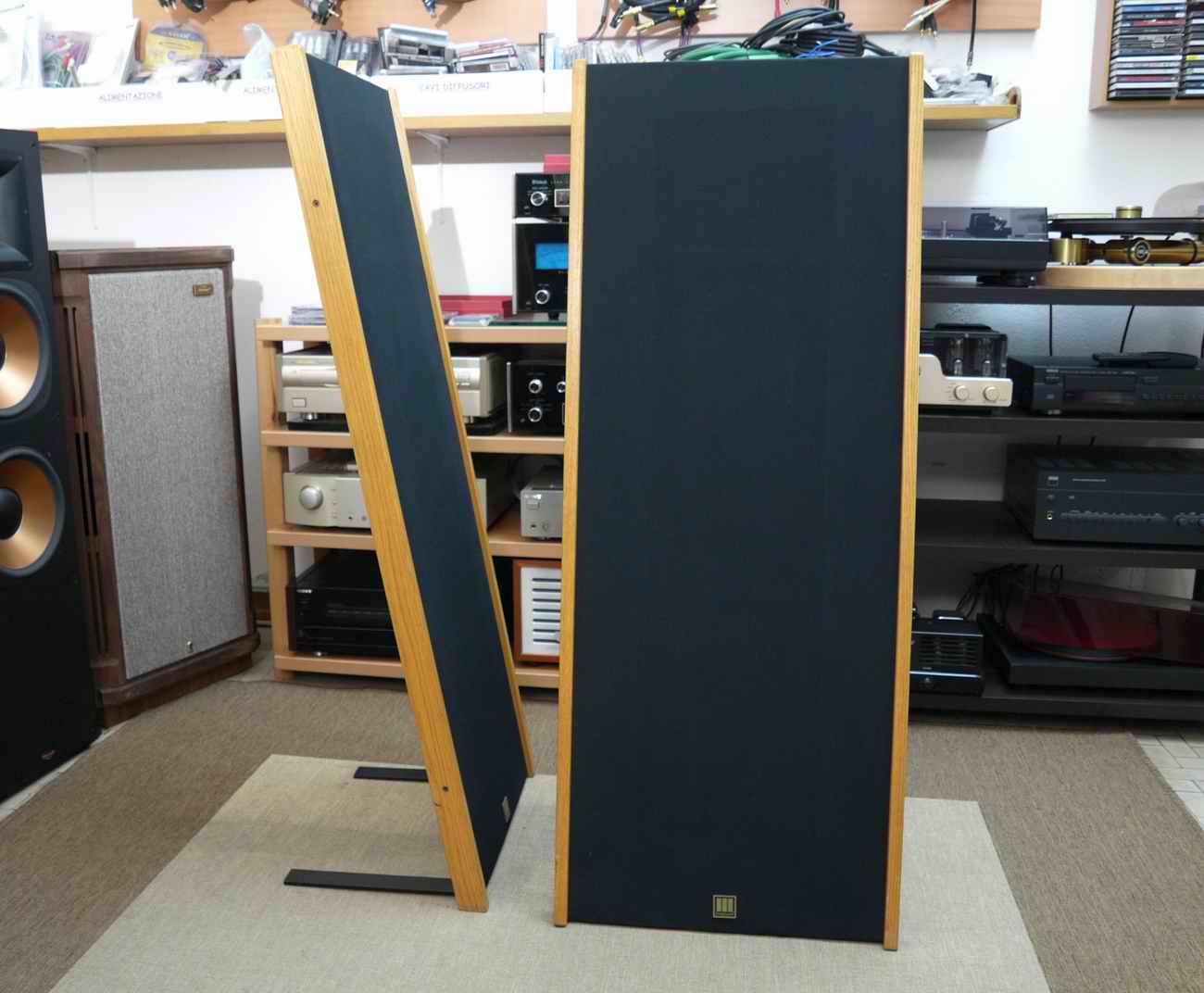
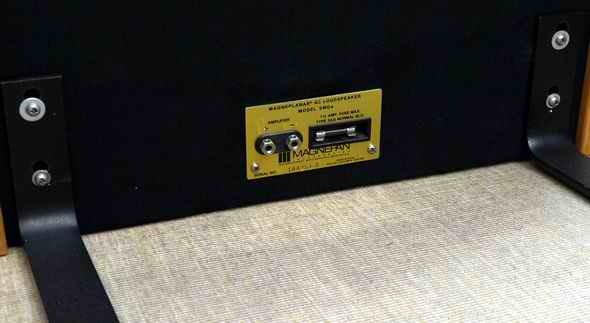
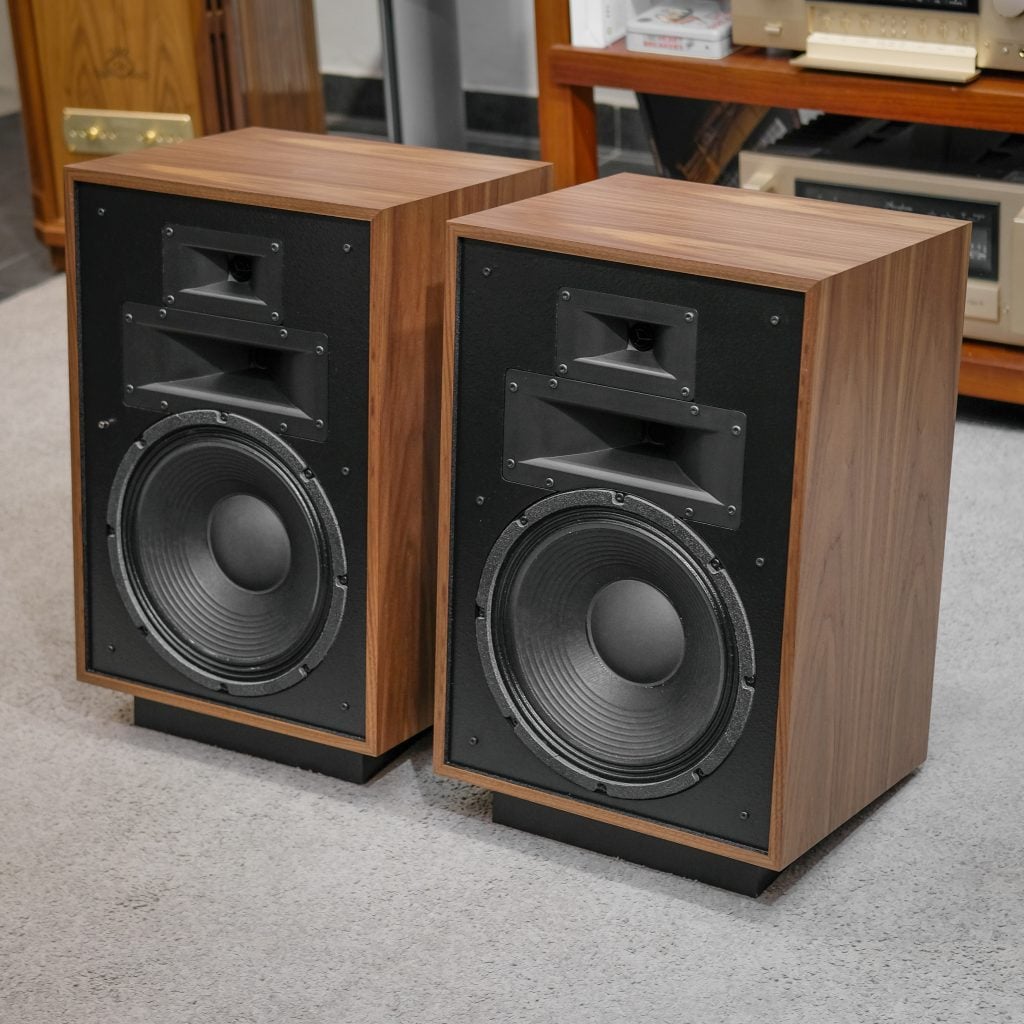
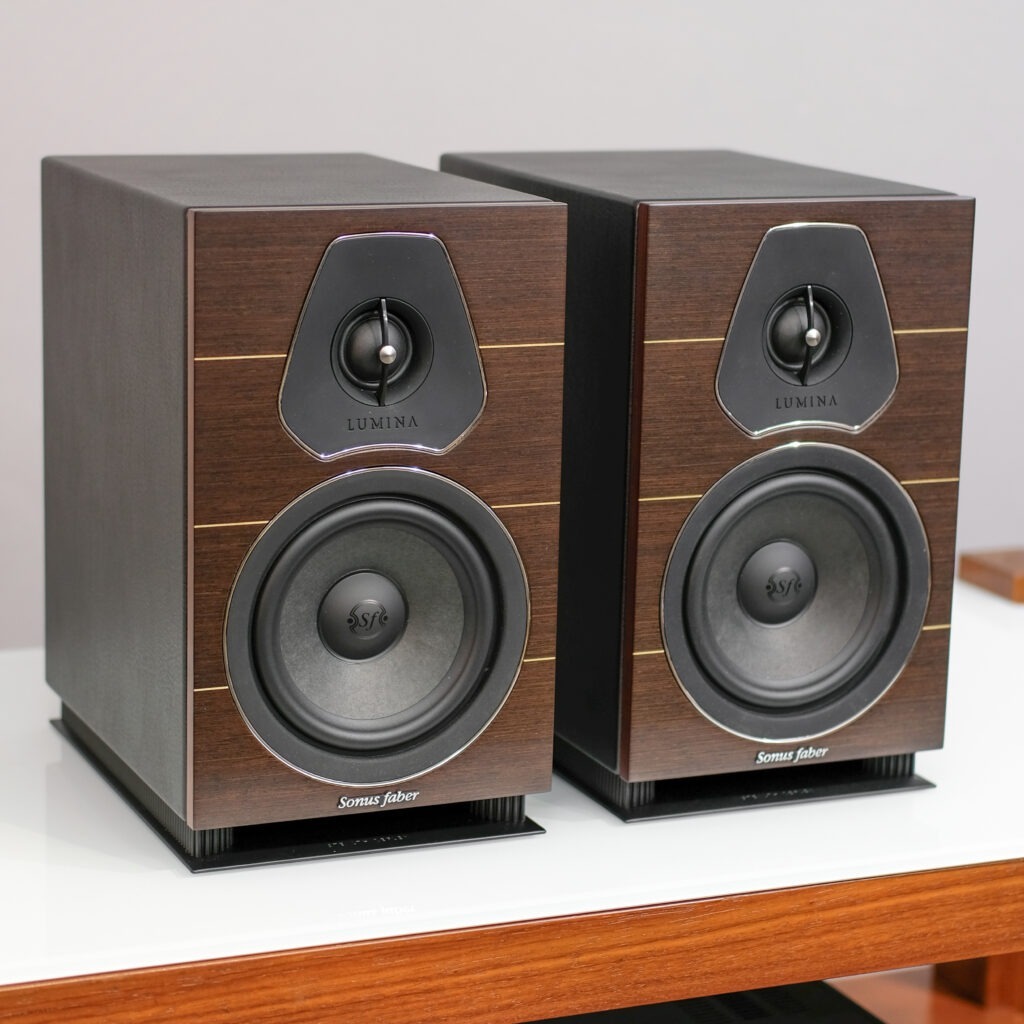
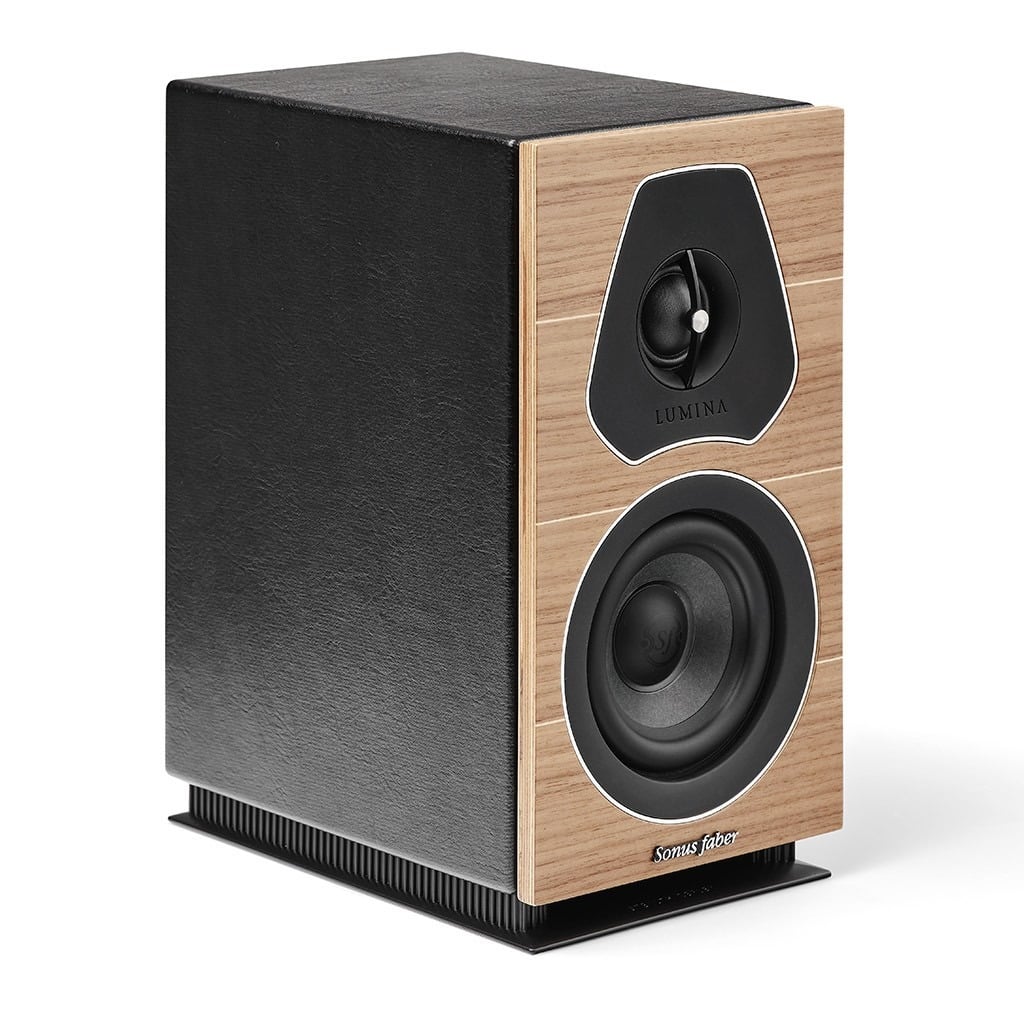
Questo prodotto si trova nella sezione Archivio, quindi non è più disponibile alla vendita. Visita il nostro catalogo per scoprire i modelli attuali oppure scrivici per ricevere consigli personalizzati su un prodotto equivalente.
Quando un modello esce di produzione, viene venduto definitivamente o non è più reperibile dai nostri fornitori, lo spostiamo nella sezione Archivio. Manteniamo la pagina online a scopo informativo: utenti e collezionisti possono continuare a consultare specifiche, descrizioni e immagini di riferimento.
Probabilmente sì. Visita il nostro catalogo prodotti per scoprire i modelli equivalenti attualmente in vendita: potrai filtrare per categoria, marca e fascia di prezzo per trovare l'alternativa più adatta al tuo impianto.
Non gestiamo prodotti usati o vintage. Per scoprire le alternative attualmente disponibili clicca sul pulsante "Vai al catalogo" in alto a destra della pagina, oppure vai direttamente al nostro catalogo prodotti per sfogliare i modelli in vendita.
Non gestiamo direttamente assistenza tecnica né ricambi. Nella nostra pagina supporto trovi le tabelle con i contatti diretti dei centri di assistenza e dei riparatori specializzati: puoi contattarli senza intermediari per valutare riparazioni o disponibilità ricambi.
AGGIUNGI ORARIMUOVI ORARIMUOVIRICHIEDI OFFERTASOLD OUTAVVISAMITotale parzialeCheckoutRiepilogo ordineUsatoNuovoDemoUsato-vintageEx demoRimuovi prodottoDiminuisci quantitàAumenta quantitàCHIUDIINDIETROSCOPRI DI PIÙGUARDA ENTRAMBIGUARDA TUTTOarticolirisultatorisultatiNuovi arriviCONTROLLA LE TUE EMAILSEI GIÀ ISCRITTOErrore. RiprovaScopri la selezioneNessun risultato trovatoFiltri & OrdineCARICAMENTO…Nessun prodotto trovato.prodottiNessun articolo trovatoLe password non coincidonoInserisci email e password.Errore di rete. Riprova.Errore di reteErrore di connessione. Riprova.Errore di connessione. Riprova più tardi.Errore durante l'invio. Riprova.Richiesta inviata. Controlla la tua email per accettare l'offerta.Scegli il colore che desideri.Scegli la lunghezza che desideri.Scegli la variazione che desideri.Ricordati di selezionare il colore che desideri.Ricordati di selezionare la dimensione che desideri.Ricordati di selezionare la variazione che desideri.INVIA RECENSIONEAGGIORNA RECENSIONERimuovi fotoOFFERTA PERSONALIZZATAINVIA RICHIESTApunti dal prossimo livelloDi cui IVAIncluding VATdont TVAIVA incluidoinkl. MwSt.IVA incluídoincl. btwTOTALETotaleTotale parzialeSpedizioneShippingLivraisonEnvíoVersandEnvioVerzendingRitiro in sedeCollect in storeRetrait en magasinRecogida en tiendaAbholung im GeschäftLevantamento na lojaAfhalen in de winkelPresso il negozioGratuitaFreeGratuiteGratisKostenlosGrátisGratisDa calcolareGratisRITIRO IN SEDECOLLECT IN STORERETRAIT EN MAGASINRECOGIDA EN TIENDAABHOLUNG IM GESCHÄFTLEVANTAMENTO NA LOJAAFHALEN IN DE WINKELCORRIERE ESPRESSOEXPRESS COURIERCOURSIER EXPRESSMENSAJERÍA URGENTEEXPRESSVERSANDCORREIO EXPRESSOEXPRESKOERIERSPEDIZIONE GRATUITAFREE SHIPPINGLIVRAISON GRATUITEENVÍO GRATISKOSTENLOSER VERSANDPORTES GRÁTISGRATIS VERZENDINGOgni grande impianto inizia da un sogno.Trasforma i tuoi desideri in realtà.Clicca o trascina qui il fileCrea un accountAttualmente non disponibileDisponibilità da verificarePronta consegnaIn stockEn stockEn stockSofort lieferbarEm stockOp voorraadPronta consegna in negozioPronta consegna presso fornitorePronto in negozioDa magazzino esternoParte dal negozioShips from the storeExpédié depuis le magasinSale de la tiendaVersand ab GeschäftSai da lojaVerzonden vanuit de winkelParte dal magazzinoShips from the warehouseExpédié depuis l’entrepôtSale del almacénVersand ab LagerSai do armazémVerzonden vanuit het magazijnArriverà in più spedizioniWill arrive in multiple shipmentsArrivera en plusieurs envoisLlegará en varios envíosKommt in mehreren SendungenChegará em várias remessasKomt in meerdere zendingenGli articoli di questo ordine possono arrivarti in momenti diversi e con corrieri diversi. I tempi però non cambiano. Ricevi il tracking di ogni pacco.Prodotto sigillatoProdotto espositivoDisplay unitModèle d'expositionUnidad de exposiciónAusstellungsstückUnidade de exposiçãoShowroommodelProdotto disponibileProdotto acquistatoAntraciteAnthraciteAnthraciteAntracitaAnthrazitAntraciteAntracietArancioOrangeOrangeNaranjaOrangeLaranjaOranjeArgentoSilverArgentPlataSilberPrataZilverAzzurroLight blueBleu clairAzul claroHellblauAzul claroLichtblauwBiancoWhiteBlancBlancoWeißBrancoWitBluBlueBleuAzulBlauAzulBlauwEbanoEbonyÉbèneÉbanoEbenholzÉbanoEbbenhoutGialloYellowJauneAmarilloGelbAmareloGeelGrigioGreyGrisGrisGrauCinzentoGrijsLegno chiaroLight woodBois clairMadera claraHelles HolzMadeira claraLicht houtLegnoWoodBoisMaderaHolzMadeiraHoutMarroneBrownMarronMarrónBraunCastanhoBruinMoganoMahoganyAcajouCaobaMahagoniMognoMahonieNero laccatoBlack lacqueredNoir laquéNegro lacadoSchwarz lackiertPreto lacadoZwart gelaktNeroBlackNoirNegroSchwarzPretoZwartNoceWalnutNoyerNogalNussbaumNogueiraNotenhoutOroGoldOrOroGoldDouradoGoudPalissandroRosewoodPalissandrePalisandroPalisanderPau-rosaPalissanderQuerciaOakChêneRobleEicheCarvalhoEikenRossoRedRougeRojoRotVermelhoRoodSabbiaSandSableArenaSandAreiaZandTitanioTitaniumTitaneTitanioTitanTitânioTitaniumVerdeGreenVertVerdeGrünVerdeGroenColoreDimensioniDimensionsDimensionsDimensionesAbmessungenDimensõesAfmetingenTagliaSizeTailleTallaGrößeTamanhoMaatStato prodottoColore:Colour:Couleur :Color:Farbe:Cor:Kleur:Dimensioni:Dimensions:Dimensions :Dimensiones:Abmessungen:Dimensões:Afmetingen:Taglia:Size:Taille :Talla:Größe:Tamanho:Maat:Stato prodotto:Receiver due canaliTwo-channel receiversAmplis-tuners deux canauxReceptores de dos canalesZweikanal-ReceiverReceptores de dois canaisTweekanaals receiversMostra di piùShow moreAfficher plusMostrar másMehr anzeigenMostrar maisToon meerMostra meno diShow lessAfficher moinsMostrar menosWeniger anzeigenMostrar menosToon minderBRANDBRANDMARQUEMARCAMARKEMARCAMERKSELEZIONESELECTIONSÉLECTIONSELECCIÓNAUSWAHLSELEÇÃOSELECTIESTATOCONDITIONÉTATESTADOZUSTANDESTADOSTAATOrdina perSort byTrier parOrdenar porSortieren nachOrdenar porSorteren opNovitàNew arrivalsNouveautésNovedadesNeuheitenNovidadesNieuwPopolaritàPopularityPopularitéPopularidadBeliebtheitPopularidadePopulariteitPrezzo più bassoLowest pricePrix le plus basPrecio más bajoNiedrigster PreisPreço mais baixoLaagste prijsPrezzo più altoHighest pricePrix le plus élevéPrecio más altoHöchster PreisPreço mais altoHoogste prijsNome A-ZName A-ZNom A-ZNombre A-ZName A-ZNome A-ZNaam A-ZNome Z-AName Z-ANom Z-ANombre Z-AName Z-ANome Z-ANaam Z-AUsatoUsedOccasionDe segunda manoGebrauchtUsadoTweedehandsUsato-vintageVintageVintageVintageVintageVintageVintageEx-demoEx-demoEx-démoEx-demoEx-DemoEx-demoEx-demoTasso zero0% interest-freeFinancement 0 %Financiación 0 %0 % FinanzierungFinanciamento 0 %0% renteBestsellerBestsellerMeilleures ventesMás vendidosBestsellerMais vendidosBestsellerPromoPromoPromoPromociónAktionPromoçãoPromoIntegrati a transistorTransistor integrated amplifiersAmplis intégrés à transistorsIntegrados de transistoresTransistor-VollverstärkerIntegrados a transístoresGeïntegreerde transistorversterkersIntegrati a valvoleTube integrated amplifiersAmplis intégrés à tubesIntegrados de válvulasRöhren-VollverstärkerIntegrados a válvulasGeïntegreerde buizenversterkersPer cuffiaHeadphone amplifiersAmplis casqueAmplificadores de auricularesKopfhörerverstärkerAmplificadores de auscultadoresHoofdtelefoonversterkersDa scaffaleBookshelfBibliothèqueEstanteríaRegalPrateleiraBoekenplankDa pavimentoFloorstandingColonneDe pieStandlautsprecherDe colunaVloerstaandEsploraExploreExplorerExplorarEntdeckenExplorarOntdekAccessori variOther accessoriesAutres accessoiresOtros accesoriosWeiteres ZubehörOutros acessóriosOverige accessoiresCavi di segnaleInterconnectsCâbles de modulationCables de señalSignalkabelCabos de sinalSignaalkabelsCavi digitaliDigital cablesCâbles numériquesCables digitalesDigitalkabelCabos digitaisDigitale kabelsScegli una nuova password per ripristinare l'accesso al tuo spazio personale in totale sicurezza.NomeFirst namePrénomNombreVornameNomeVoornaamCognomeSurnameNomApellidoNachnameApelidoAchternaamPaeseCountryPaysPaísLandPaísLandIndirizzoCittàCityVilleCiudadStadtCidadeStadC.A.P.PostcodeCode postalCódigo postalPLZCódigo postalPostcodeProvinciaProvinceProvinceProvinciaProvinzDistritoProvincieTelefonoE-mailRagione Sociale / DenominazioneCodice FiscalePartita IVACodice Destinatario SDIPECNote sull'ordineEmail o nome utentePasswordFatturazioneSpedizione e consegnaDati di fatturazioneINDIETROBACKRETOURATRÁSZURÜCKVOLTARTERUGEMAIL:Mostra filtriShow filtersAfficher les filtresMostrar filtrosFilter anzeigenMostrar filtrosFilters tonenNascondi filtriHide filtersMasquer les filtresOcultar filtrosFilter ausblendenOcultar filtrosFilters verbergenPulisci tuttoClear allTout effacerBorrar todoAlle löschenLimpar tudoAlles wissenMostra menoShow lessAfficher moinsMostrar menosWeniger anzeigenMostrar menosToon minderMostra tuttoShow allTout afficherMostrar todoAlle anzeigenMostrar tudoAlles tonennovitànew arrivalsnouveautésnovedadesNeuheitennovidadesnieuwpopolaritàpopularitypopularitépopularidadBeliebtheitpopularidadepopulariteitprezzo più bassolowest priceprix le plus basprecio más bajoniedrigster Preispreço mais baixolaagste prijsprezzo più altohighest priceprix le plus élevéprecio más altohöchster Preispreço mais altohoogste prijsnome A-Zname A-Znom A-Znombre A-ZName A-Znome A-Znaam A-Znome Z-Aname Z-Anom Z-Anombre Z-AName Z-Anome Z-Anaam Z-ADisponibile presso fornitoreAvailable from supplierDisponible chez le fournisseurDisponible en proveedorBeim Lieferanten verfügbarDisponível no fornecedorBeschikbaar bij leverancierRapporto S/NS/N ratioRapport S/BRelación S/RSignal-Rausch-AbstandRelação S/RSignaal-ruisverhoudingFiltraOrdinaFiltri attiviSpedizione gratuitaFree shippingLivraison gratuiteEnvío gratuitoKostenloser VersandPortes grátisGratis verzendingSpedizione non possibileConsegna veloceFast deliveryLivraison rapideEntrega rápidaSchnelle LieferungEntrega rápidaSnelle leveringTrasporto tracciatoTracked shippingLivraison suivieEnvío con seguimientoSendungsverfolgungEnvio com rastreioTrack & traceRimuoviRiepilogo ordineTotale ordineOrder totalTotal de la commandeTotal del pedidoBestellsummeTotal da encomendaOrdertotaalSpedisci a un indirizzo diversoShip to a different addressLivrer à une adresse différenteEnviar a una dirección diferenteAn eine andere Adresse liefernEnviar para um endereço diferenteNaar een ander adres verzendenSubtotaleProdottoPrezzoIncluso ildi tasse(inclusiIVA)CercaChiudiSeleziona linguaChiudi ricercaChiudi carrelloChiudi filtriRimuovi prodottoRimuovi filtroDiamo valore alla tua privacySei già loggato.Sessione scaduta. Ricarica la pagina e riprova.Troppi tentativi. Riprova tra un minuto.Inserisci email/username e password.Email o password non corretti. Riprova.Le password non coincidono.La password attuale non è corretta.La nuova password deve essere di almeno 8 caratteri.Verifica di sicurezza fallita. Ricarica la pagina e riprova.Devi accedere per aggiornare il profilo.Devi accedere per cambiare la password.Devi accedere per aggiornare l'indirizzo.Questo indirizzo email è già in uso.Compila tutti i campi password.Tipo di indirizzo non valido.Compila tutti i campi obbligatori.Inserisci un indirizzo email valido.Carica almeno 3 immagini.Errore nel salvataggio della richiesta. Riprova.Carrello vuoto.Metodo non valido.Email non valida.Importo non valido.Ordine non trovato.Ordine non valido.Errore ordine.Stato ordine non valido.Invalid order status.Statut de commande non valide.Estado del pedido no válido.Ungültiger Bestellstatus.Estado da encomenda inválido.Ongeldige bestelstatus.Stato ordine non valido per finalizzazione.Tipo cliente non valido.Codice Fiscale non valido.Codice fiscale non valido (formato: 16 caratteri).Partita IVA non valida.Partita IVA non valida (11 cifre con checksum).Per fattura aziendale è obbligatorio Codice Destinatario SDI o PEC.Codice Destinatario SDI deve essere 7 caratteri alfanumerici.PEC non valida.Ragione sociale richiesta per fattura aziendale.Inserisci il Codice SDI oppure la PEC.nessuna spedizione per questo indirizzoTroppe richieste. Riprova tra qualche minuto.Prodotto non valido.Prodotto non trovato.Sei già iscritto alla notifica per questo prodotto.Errore di salvataggio. Riprova.Richiesta non valida.Verifica di sicurezza fallita. Riprova.Compila tutti i campi correttamente.Prezzo offerta non configurato.Compila almeno valutazione, nome e contenuto.Errore salvataggio recensione.Nessun file caricato.Solo JPG/PNG/WebP.Nessuna variazione disponibileImpossibile aggiungere al carrelloProfilo aggiornato con successo!Password aggiornata con successo!Indirizzo di fatturazione salvato con successo!Indirizzo di spedizione salvato con successo!Indirizzo salvato con successo!Errore durante il salvataggio.La tua richiesta è stata inviata con successo! Ti contatteremo presto.Recensione inviata. Grazie!Recensione eliminata.Nessuna recensione associata.Devi accettare i Termini e Condizioni.Inserisci la nuova password.La password deve essere di almeno 6 caratteri.Credenziali di accesso non valide. Riprova.Inserisci nome utente e password.Errore del server. Riprova più tardi.Correggi gli errori della password prima di salvare.Errore di configurazione. Ricarica la pagina.Errore durante il riscatto.Si è verificato un errore. Riprova.Per favore compila tutti i campi obbligatori.Personalizza le preferenze di consensoSalva le mie preferenzeErrore di sicurezza. Ricarica la pagina.Errore durante l'invio dell'email. Riprova più tardi.Errore durante la generazione del link di reset. Riprova più tardi.Il link di reset non è valido o è scaduto. Richiedi un nuovo link.Inserisci una password.Link di reset non valido.La registrazione è attualmente disabilitata.Registration is currently disabled.L'inscription est actuellement désactivée.El registro está actualmente deshabilitado.Die Registrierung ist derzeit deaktiviert.O registo está atualmente desativado.Registratie is momenteel uitgeschakeld.Pagamento non autorizzato.Richiesta inviata con successo!Verifica anti-spam non superata. Riprova.Ti abbiamo iscritto. Riceverai un'email quando il prodotto torna disponibile.Indirizzo email non valido.Sistema newsletter non disponibile.Errore creazione ordine:Errore interno:Impossibile inviare l'email. Contattaci aEx demoEx-demoEx-démoEx-demoEx-DemoEx-demoEx-demoUsato vintageVintage usedOccasion vintageVintage de segunda manoVintage gebrauchtVintage usadoVintage tweedehandsImporto buono regaloGift card amountMontant de la carte cadeauImporte de la tarjeta regaloGutscheinbetragValor do vale-presenteCadeaubonbedragProdottiProductsProduitsProductosProdukteProdutosProductenSatelliti surround, atmos e diffusori da pareteSurround, Atmos and in-wall speakersEnceintes surround, Atmos et muralesAltavoces surround, Atmos y de paredSurround-, Atmos- und WandlautsprecherColunas surround, Atmos e de paredeSurround-, Atmos- en wandluidsprekersPoster da collezione Sonus faberSonus faber collector’s posterPoster de collection Sonus faberPóster de colección Sonus faberSammlerposter Sonus faberPóster de coleção Sonus faberVerzamelposter Sonus faberCappello con visiera con logo Sonus faberCap with Sonus faber logoCasquette avec logo Sonus faberGorra con logotipo Sonus faberCap mit Sonus faber LogoBoné com logótipo Sonus faberPet met Sonus faber-logoBUDGETBUDGETBUDGETPRECIOBUDGETPREÇOPRIJSAmplificatoriAmplifiersAmplificateursAmplificadoresVerstärkerAmplificadoresVersterkersAmplificatori integrati a transistorTransistor integrated amplifiersAmplificateurs intégrés à transistorsAmplificadores integrados de transistoresTransistor-VollverstärkerAmplificadores integrados a transístoresGeïntegreerde transistorversterkersAmplificatori integrati a valvoleTube integrated amplifiersAmplificateurs intégrés à tubesAmplificadores integrados de válvulasRöhren-VollverstärkerAmplificadores integrados a válvulasGeïntegreerde buizenversterkersAmplificatori per cuffiaHeadphone amplifiersAmplificateurs pour casqueAmplificadores de auricularesKopfhörerverstärkerAmplificadores para auscultadoresHoofdtelefoonversterkersAmplificatori audio - videoAV amplifiersAmplificateurs audio-vidéoAmplificadores audio-vídeoAV-VerstärkerAmplificadores áudio-vídeoAV-versterkersDiffusori da pavimentoFloorstanding speakersEnceintes colonnesAltavoces de sueloStandlautsprecherColunas de chãoVloerstaande luidsprekersDiffusori da scaffaleBookshelf speakersEnceintes bibliothèqueAltavoces de estanteríaRegallautsprecherColunas de estanteBoekenplankluidsprekersDiffusori wireless attiviActive wireless speakersEnceintes actives sans filAltavoces activos inalámbricosAktive FunklautsprecherColunas ativas sem fiosActieve draadloze luidsprekersStand per diffusoriSpeaker standsSupports d'enceintesSoportes de altavocesLautsprecherständerSuportes para colunasLuidsprekerstandaardsCavi di alimentazionePower cablesCâbles d'alimentationCables de alimentaciónNetzkabelCabos de alimentaçãoNetsnoerenCavi per subwooferSubwoofer cablesCâbles subwooferCables para subwooferSubwoofer-KabelCabos para subwooferSubwooferkabelsLettori CDCD playersLecteurs CDReproductores de CDCD-PlayerLeitores de CDCd-spelersLettori CD, SACD, DVDCD, SACD and DVD playersLecteurs CD, SACD et DVDReproductores de CD, SACD y DVDCD-, SACD- und DVD-PlayerLeitores de CD, SACD e DVDCd-, sacd- en dvd-spelersSintoamplificatori a due canaliTwo-channel receiversAmplis-tuners deux canauxReceptores de dos canalesZweikanal-ReceiverRecetores de dois canaisTweekanaals receiversImpianti completiComplete systemsSystèmes completsEquipos completosKomplettanlagenSistemas completosComplete setsRegistratori a cassette, bobine, minidisc, DATCassette, reel-to-reel, MiniDisc and DAT recordersMagnétophones à cassettes, bobines, MiniDisc et DATGrabadores de casete, bobina abierta, MiniDisc y DATKassetten-, Tonband-, MiniDisc- und DAT-RecorderGravadores de cassete, bobine, MiniDisc e DATCassette-, band-, MiniDisc- en DAT-recordersSorgentiSourcesSourcesFuentesQuellgeräteFontesBronnenAccessoriAccessoriesAccessoiresAccesoriosZubehörAcessóriosAccessoiresCuffieHeadphonesCasquesAuricularesKopfhörerAuscultadoresHoofdtelefoonsEqualizzatoriEqualizersÉgaliseursEcualizadoresEqualizerEqualizadoresEqualizersBuono RegaloGift cardCarte cadeauTarjeta regaloGeschenkgutscheinCartão presenteCadeaubonRegistratori a cassette, bobine, mini-disc, DATCassette, reel-to-reel, MiniDisc and DAT recordersMagnétophones à cassettes, bobines, MiniDisc et DATGrabadores de casete, bobina abierta, MiniDisc y DATKassetten-, Tonband-, MiniDisc- und DAT-RecorderGravadores de cassete, bobine, MiniDisc e DATCassette-, band-, MiniDisc- en DAT-recordersRitiro usatoWe buy used gearReprise d’occasionCompramos tu equipo usadoGebrauchtgeräte-AnkaufCompramos equipamento usadoInkoop tweedehandsGift cardGift cardCarte cadeauTarjeta regaloGeschenkgutscheinCartão presenteCadeaubonStreamerStreamersLecteurs réseauStreamersStreamerStreamersStreamersMixerMixersTables de mixageMesas de mezclasMischpulteMesas de misturaMengpanelenTunerTunersTunersSintonizadoresTunerSintonizadoresTunersSubwooferSubwoofersCaissons de bassesSubwoofersSubwooferSubwoofersSubwoofersEsplora tuttoExplore allTout explorerExplorar todoAlles entdeckenExplorar tudoOntdek allesTrade-upTrade-upTrade-upTrade-upTrade-upTrade-upTrade-upSupportoSupportAssistanceSoporteSupportApoioOndersteuningServiziServicesServicesServiciosServicesServiçosDienstenNuovi arriviNew arrivalsNouveautésNovedadesNeuheitenNovidadesNieuw binnenModalità di PagamentoPayment methodsMoyens de paiementMétodos de pagoZahlungsartenFormas de pagamentoBetaalmethodenChi SiamoAbout usÀ proposSobre nosotrosÜber unsSobre nósOver onsCommunityCommunityCommunityCommunityCommunityCommunityCommunityMembershipMembershipMembershipMembershipMembershipMembershipMembershipMarcheBrandsMarquesMarcasMarkenMarcasMerkenCHIUDICLOSEFERMERCERRARSCHLIESSENFECHARSLUITENRisultati per:Results for:Résultats pour :Resultados para:Ergebnisse für:Resultados para:Resultaten voor:Stadio phonoPhono stageÉtage phonoEtapa de phonoPhono-VorstufeAndar de phonoPhonotrapAlimentazionePower supplyAlimentationAlimentaciónStromversorgungAlimentaçãoVoedingnoNoNonNoNeinNãoNeesìYesOuiSíJaSimJaArchivioArchiveArchivesArchivoArchivArquivoArchiefNuovoNewNeufNuevoNeuNovoNieuwDiffusoriSpeakersEnceintesAltavocesLautsprecherColunasLuidsprekersFinali di potenzaPower amplifiersAmplificateurs de puissanceEtapas de potenciaEndstufenAmplificadores de potênciaEindversterkersPre + finaliPre + power ampsPréamplis + amplis de puissancePrevios + etapasVor- + EndstufenPré + amplificadores de potênciaVoor- + eindversterkersCavi di potenzaSpeaker cablesCâbles d'enceintesCables de altavozLautsprecherkabelCabos de colunaLuidsprekerkabelsMeccaniche CDCD transportsMécaniques CDTransportes de CDCD-LaufwerkeTransportes de CDCD-transportenTestine e bracci per giradischiCartridges and tonearmsCellules et bras de lectureCápsulas y brazosTonabnehmer und TonarmeCápsulas e braçosElementen en toonarmenPrephonoPhono stagesPréamplis phonoPrevios de phonoPhono-VorstufenPré-phonoPhonovoorversterkersTavoliniHi-Fi racksMeubles Hi-FiMuebles Hi-FiHiFi-RacksMóveis Hi-FiHifi-meubelsGiradischiTurntablesPlatines vinyleGiradiscosPlattenspielerGira-discosPlatenspelersMultiprese e stabilizzatoriPower distributors and conditionersDistributeurs et conditionneurs secteurDistribuidores y acondicionadoresNetzleisten und NetzfilterDistribuidores e condicionadoresNetfilters en verdelersConvertitori DACDACsDACDACD/A-WandlerDACDAC'sCanali centraliCentre channel speakersEnceintes centralesCanales centralesCenter-LautsprecherCanais centraisCenterluidsprekersPreamplificatoriPreamplifiersPréamplificateursPreviosVorverstärkerPré-amplificadoresVoorversterkersDisponibile dalAvailable fromDisponible à partir duDisponible a partir delVerfügbar abDisponível a partir deBeschikbaar vanafIn arrivoArriving soonBientôt disponiblePróximamenteBald verfügbarBrevemente disponívelBinnenkort beschikbaarAccessoriAccessoriAccessoriesAccessoriesAccessoiresAccessoiresAccesoriosAccesoriosZubehörZubehörAcessóriosAcessóriosAccessoiresAccessoiresAccessoriAccessoriAccessoriesAccessoriesAccessoiresAccessoiresAccesoriosAccesoriosZubehörZubehörAcessóriosAcessóriosAccessoiresAccessoiresAccessori variAccessori variOther accessoriesOther accessoriesAutres accessoiresAutres accessoiresOtros accesoriosOtros accesoriosWeiteres ZubehörWeiteres ZubehörOutros acessóriosOutros acessóriosOverige accessoiresOverige accessoiresAmplificatoriAmplificatoriAmplifiersAmplifiersAmplificateursAmplificateursAmplificadoresAmplificadoresVerstärkerVerstärkerAmplificadoresAmplificadoresVersterkersVersterkersAmplificatoriAmplificatoriAmplifiersAmplifiersAmplificateursAmplificateursAmplificadoresAmplificadoresVerstärkerVerstärkerAmplificadoresAmplificadoresVersterkersVersterkersAmplificatori audio - videoAmplificatori audio - videoAV amplifiersAV amplifiersAmplificateurs audio-vidéoAmplificateurs audio-vidéoAmplificadores audio-vídeoAmplificadores audio-vídeoAV-VerstärkerAV-VerstärkerAmplificadores áudio-vídeoAmplificadores áudio-vídeoAV-versterkersAV-versterkersAmplificatori integrati a transistorAmplificatori integrati a transistorTransistor integrated amplifiersTransistor integrated amplifiersAmplificateurs intégrés à transistorsAmplificateurs intégrés à transistorsAmplificadores integrados de transistoresAmplificadores integrados de transistoresTransistor-VollverstärkerTransistor-VollverstärkerAmplificadores integrados a transístoresAmplificadores integrados a transístoresGeïntegreerde transistorversterkersGeïntegreerde transistorversterkersAmplificatori integrati a valvoleAmplificatori integrati a valvoleTube integrated amplifiersTube integrated amplifiersAmplificateurs intégrés à tubesAmplificateurs intégrés à tubesAmplificadores integrados de válvulasAmplificadores integrados de válvulasRöhren-VollverstärkerRöhren-VollverstärkerAmplificadores integrados a válvulasAmplificadores integrados a válvulasGeïntegreerde buizenversterkersGeïntegreerde buizenversterkersAmplificatori per cuffiaAmplificatori per cuffiaHeadphone amplifiersHeadphone amplifiersAmplificateurs pour casqueAmplificateurs pour casqueAmplificadores de auricularesAmplificadores de auricularesKopfhörerverstärkerKopfhörerverstärkerAmplificadores para auscultadoresAmplificadores para auscultadoresHoofdtelefoonversterkersHoofdtelefoonversterkersArchivioArchivioArchiveArchiveArchivesArchivesArchivoArchivoArchivArchivArquivoArquivoArchiefArchiefBuono RegaloBuono RegaloGift cardGift cardCarte cadeauCarte cadeauTarjeta regaloTarjeta regaloGeschenkgutscheinGeschenkgutscheinCartão presenteCartão presenteCadeaubonCadeaubonCanali centraliCanali centraliCentre channel speakersCentre channel speakersEnceintes centralesEnceintes centralesCanales centralesCanales centralesCenter-LautsprecherCenter-LautsprecherCanais centraisCanais centraisCenterluidsprekersCenterluidsprekersCavi di alimentazioneCavi di alimentazionePower cablesPower cablesCâbles d'alimentationCâbles d'alimentationCables de alimentaciónCables de alimentaciónNetzkabelNetzkabelCabos de alimentaçãoCabos de alimentaçãoNetsnoerenNetsnoerenCavi di potenzaCavi di potenzaSpeaker cablesSpeaker cablesCâbles d'enceintesCâbles d'enceintesCables de altavozCables de altavozLautsprecherkabelLautsprecherkabelCabos de colunaCabos de colunaLuidsprekerkabelsLuidsprekerkabelsCavi di segnaleCavi di segnaleInterconnectsInterconnectsCâbles de modulationCâbles de modulationCables de señalCables de señalSignalkabelSignalkabelCabos de sinalCabos de sinalSignaalkabelsSignaalkabelsCavi digitaliCavi digitaliDigital cablesDigital cablesCâbles numériquesCâbles numériquesCables digitalesCables digitalesDigitalkabelDigitalkabelCabos digitaisCabos digitaisDigitale kabelsDigitale kabelsCavi per subwooferCavi per subwooferSubwoofer cablesSubwoofer cablesCâbles subwooferCâbles subwooferCables para subwooferCables para subwooferSubwoofer-KabelSubwoofer-KabelCabos para subwooferCabos para subwooferSubwooferkabelsSubwooferkabelsConvertitori DACConvertitori DACDACsDACsDACDACDACDACD/A-WandlerD/A-WandlerDACDACDAC'sDAC'sCuffieCuffieHeadphonesHeadphonesCasquesCasquesAuricularesAuricularesKopfhörerKopfhörerAuscultadoresAuscultadoresHoofdtelefoonsHoofdtelefoonsDiffusoriDiffusoriSpeakersSpeakersEnceintesEnceintesAltavocesAltavocesLautsprecherLautsprecherColunasColunasLuidsprekersLuidsprekersDiffusoriDiffusoriSpeakersSpeakersEnceintesEnceintesAltavocesAltavocesLautsprecherLautsprecherColunasColunasLuidsprekersLuidsprekersDiffusori da pavimentoDiffusori da pavimentoFloorstanding speakersFloorstanding speakersEnceintes colonnesEnceintes colonnesAltavoces de sueloAltavoces de sueloStandlautsprecherStandlautsprecherColunas de chãoColunas de chãoVloerstaande luidsprekersVloerstaande luidsprekersDiffusori da scaffaleDiffusori da scaffaleBookshelf speakersBookshelf speakersEnceintes bibliothèqueEnceintes bibliothèqueAltavoces de estanteríaAltavoces de estanteríaRegallautsprecherRegallautsprecherColunas de estanteColunas de estanteBoekenplankluidsprekersBoekenplankluidsprekersDiffusori wireless attiviDiffusori wireless attiviActive wireless speakersActive wireless speakersEnceintes actives sans filEnceintes actives sans filAltavoces activos inalámbricosAltavoces activos inalámbricosAktive FunklautsprecherAktive FunklautsprecherColunas ativas sem fiosColunas ativas sem fiosActieve draadloze luidsprekersActieve draadloze luidsprekersEqualizzatoriEqualizzatoriEqualizersEqualizersÉgaliseursÉgaliseursEcualizadoresEcualizadoresEqualizerEqualizerEqualizadoresEqualizadoresEqualizersEqualizersFinali di potenzaFinali di potenzaPower amplifiersPower amplifiersAmplificateurs de puissanceAmplificateurs de puissanceEtapas de potenciaEtapas de potenciaEndstufenEndstufenAmplificadores de potênciaAmplificadores de potênciaEindversterkersEindversterkersGiradischiGiradischiTurntablesTurntablesPlatines vinylePlatines vinyleGiradiscosGiradiscosPlattenspielerPlattenspielerGira-discosGira-discosPlatenspelersPlatenspelersGiradischiGiradischiTurntablesTurntablesPlatines vinylePlatines vinyleGiradiscosGiradiscosPlattenspielerPlattenspielerGira-discosGira-discosPlatenspelersPlatenspelersImpianti completiImpianti completiComplete systemsComplete systemsSystèmes completsSystèmes completsEquipos completosEquipos completosKomplettanlagenKomplettanlagenSistemas completosSistemas completosComplete setsComplete setsLettori CDLettori CDCD playersCD playersLecteurs CDLecteurs CDReproductores de CDReproductores de CDCD-PlayerCD-PlayerLeitores de CDLeitores de CDCd-spelersCd-spelersLettori CD, SACD, DVDLettori CD, SACD, DVDCD, SACD and DVD playersCD, SACD and DVD playersLecteurs CD, SACD et DVDLecteurs CD, SACD et DVDReproductores de CD, SACD y DVDReproductores de CD, SACD y DVDCD-, SACD- und DVD-PlayerCD-, SACD- und DVD-PlayerLeitores de CD, SACD e DVDLeitores de CD, SACD e DVDCd-, sacd- en dvd-spelersCd-, sacd- en dvd-spelersMeccaniche CDMeccaniche CDCD transportsCD transportsMécaniques CDMécaniques CDTransportes de CDTransportes de CDCD-LaufwerkeCD-LaufwerkeTransportes de CDTransportes de CDCD-transportenCD-transportenMerchandisingMixerMixerMixersMixersTables de mixageTables de mixageMesas de mezclasMesas de mezclasMischpulteMischpulteMesas de misturaMesas de misturaMengpanelenMengpanelenMultiprese e stabilizzatoriMultiprese e stabilizzatoriPower distributors and conditionersPower distributors and conditionersDistributeurs et conditionneurs secteurDistributeurs et conditionneurs secteurDistribuidores y acondicionadoresDistribuidores y acondicionadoresNetzleisten und NetzfilterNetzleisten und NetzfilterDistribuidores e condicionadoresDistribuidores e condicionadoresNetfilters en verdelersNetfilters en verdelersPre + finaliPre + finaliPre + power ampsPre + power ampsPréamplis + amplis de puissancePréamplis + amplis de puissancePrevios + etapasPrevios + etapasVor- + EndstufenVor- + EndstufenPré + amplificadores de potênciaPré + amplificadores de potênciaVoor- + eindversterkersVoor- + eindversterkersPreamplificatoriPreamplificatoriPreamplifiersPreamplifiersPréamplificateursPréamplificateursPreviosPreviosVorverstärkerVorverstärkerPré-amplificadoresPré-amplificadoresVoorversterkersVoorversterkersPreamplificatoriPreamplificatoriPreamplifiersPreamplifiersPréamplificateursPréamplificateursPreviosPreviosVorverstärkerVorverstärkerPré-amplificadoresPré-amplificadoresVoorversterkersVoorversterkersPrephonoPrephonoPhono stagesPhono stagesPréamplis phonoPréamplis phonoPrevios de phonoPrevios de phonoPhono-VorstufenPhono-VorstufenPré-phonoPré-phonoPhonovoorversterkersPhonovoorversterkersRegistratori a cassette, bobine, minidisc, DATRegistratori a cassette, bobine, minidisc, DATCassette, reel-to-reel, MiniDisc and DAT recordersCassette, reel-to-reel, MiniDisc and DAT recordersMagnétophones à cassettes, bobines, MiniDisc et DATMagnétophones à cassettes, bobines, MiniDisc et DATGrabadores de casete, bobina abierta, MiniDisc y DATGrabadores de casete, bobina abierta, MiniDisc y DATKassetten-, Tonband-, MiniDisc- und DAT-RecorderKassetten-, Tonband-, MiniDisc- und DAT-RecorderGravadores de cassete, bobine, MiniDisc e DATGravadores de cassete, bobine, MiniDisc e DATCassette-, band-, MiniDisc- en DAT-recordersCassette-, band-, MiniDisc- en DAT-recordersSatelliti surround, atmos e diffusori da pareteSatelliti surround, atmos e diffusori da pareteSurround, Atmos and in-wall speakersSurround, Atmos and in-wall speakersEnceintes surround, Atmos et muralesEnceintes surround, Atmos et muralesAltavoces surround, Atmos y de paredAltavoces surround, Atmos y de paredSurround-, Atmos- und WandlautsprecherSurround-, Atmos- und WandlautsprecherColunas surround, Atmos e de paredeColunas surround, Atmos e de paredeSurround-, Atmos- en wandluidsprekersSurround-, Atmos- en wandluidsprekersSenza categoriaSintoamplificatori a due canaliSintoamplificatori a due canaliTwo-channel receiversTwo-channel receiversAmplis-tuners deux canauxAmplis-tuners deux canauxReceptores de dos canalesReceptores de dos canalesZweikanal-ReceiverZweikanal-ReceiverRecetores de dois canaisRecetores de dois canaisTweekanaals receiversTweekanaals receiversSorgentiSorgentiSourcesSourcesSourcesSourcesFuentesFuentesQuellgeräteQuellgeräteFontesFontesBronnenBronnenStand per diffusoriStand per diffusoriSpeaker standsSpeaker standsSupports d'enceintesSupports d'enceintesSoportes de altavocesSoportes de altavocesLautsprecherständerLautsprecherständerSuportes para colunasSuportes para colunasLuidsprekerstandaardsLuidsprekerstandaardsStreamerStreamerStreamersStreamersLecteurs réseauLecteurs réseauStreamersStreamersStreamerStreamerStreamersStreamersStreamersStreamersSubwooferSubwooferSubwoofersSubwoofersCaissons de bassesCaissons de bassesSubwoofersSubwoofersSubwooferSubwooferSubwoofersSubwoofersSubwoofersSubwoofersTavoliniTavoliniHi-Fi racksHi-Fi racksMeubles Hi-FiMeubles Hi-FiMuebles Hi-FiMuebles Hi-FiHiFi-RacksHiFi-RacksMóveis Hi-FiMóveis Hi-FiHifi-meubelsHifi-meubelsTestine e bracci per giradischiTestine e bracci per giradischiCartridges and tonearmsCartridges and tonearmsCellules et bras de lectureCellules et bras de lectureCápsulas y brazosCápsulas y brazosTonabnehmer und TonarmeTonabnehmer und TonarmeCápsulas e braçosCápsulas e braçosElementen en toonarmenElementen en toonarmenTunerTunerTunersTunersTunersTunersSintonizadoresSintonizadoresTunerTunerSintonizadoresSintonizadoresTunersTuners
RITIRO IN SEDE
Questo prodotto non può essere spedito. Puoi eseguire l'ordine dal sito e poi comunicarci quando verrai a ritirarlo in sede.